Table of Contents
- How Wide Brim Hats Reduce UV Exposure
- Wide Brim vs Baseball Cap: Sun Protection Comparison
- Choosing the Right Hat Brim Size for Sun Protection
- Understanding UPF Sun Hats and Fabric Protection
- Sun Hats for Swimming: Protection in Water
- Building a Complete Sun Safety Routine Beyond the Hat
- Fit, Comfort, and Real-World Performance
- Frequently Asked Questions
Last Updated: October 13, 2026
How Wide Brim Hats Reduce UV Exposure
Wide brim hats sun protection blocks UV rays before they reach your skin, making them one of the most effective defenses against sun damage.

UV rays travel in straight lines, so a wider brim intercepts more of them.
UV rays bounce off sand, water, and pavement, so a wide brim that catches direct rays and cuts reflection matters most during long beach days.
UV intensity peaks between 10 a.m. and 4 p.m. and penetrates clouds, so a wide brim hat works year-round as one of the most reliable sun-safety tools.
Wide Brim vs Baseball Cap: Sun Protection Comparison
A baseball cap covers your forehead and scalp but leaves ears, cheeks, and neck exposed; a wide brim hat protects all around.
Here's what changes between the two:
| Feature | Baseball Cap | Wide Brim Hat |
|---|---|---|
| Face coverage | Forehead only | Full face |
| Ear protection | None | Complete |
| Neck coverage | None | Full |
| Side of face | Exposed | Protected |
| Rear neck | Exposed | Protected |
Caps are lightweight and packable for short outings, but for extended exposure, gardening, swimming, beach days, a wide brim hat outperforms them.
Dermatologists regularly see melanoma on ears, the back of the neck, and the sides of the face, the exact spots a cap leaves unprotected.
Choosing the Right Hat Brim Size for Sun Protection
Brim width is the biggest lever on how much of your head, face, and neck stay shaded, but the right width depends on the body area you're protecting, your activity, and how the hat moves.
Start with the body areas you need to cover
Think of the brim as casting a moving shadow that only protects what it falls across, and shifts as you tilt, bend, or turn.
- Forehead and eyes: The front brim should reach your eyebrows when your head is level; a shorter brim lets sun reach the thin skin around the eyes.
- Cheeks and nose: These need front and side brim working together, a brim that narrows at the sides leaves cheekbones exposed when the sun is low.
- Ears: Ears catch sun from multiple angles, so they need side coverage; an evenly wrapping brim shades them better than a front-heavy one.
- Neck and upper shoulders: The back of the neck faces up and back, making it a common site for sun damage. Only a rear brim or back flap covers it.
Match brim width to the activity, not just the body
The same hat protects differently depending on your posture.
- Walking or standing upright: A moderate 2.5-3 inch brim shades face and neck well because your head stays level.
- Gardening or bending forward: Leaning over tips the front brim down but rotates your neck up toward the sun, a rear brim or neck flap matters most here.
- Hiking or cycling: Wind and speed push a floppy brim around, so a slightly stiffer brim keeps the shadow in place.
- Water sports and beach days: Reflected light comes from below, so a fully wrapping brim plus a chin strap keeps coverage consistent.
- Casual errands: A lighter, narrower brim is often enough and easier to pack.
Use these selection criteria
Run through this checklist:
- Measure the front brim from crown to edge, if it doesn't reach your eyebrows when level, it's too short for serious face protection.
- Check the side and rear brim. If they're much narrower than the front, you're trading away ear and neck coverage.
- Test the tilt. Tip your head down and up, if the shadow slides off, the brim only works in one posture.
- Test the flex. A drooping brim loses coverage; a rigid one catches wind. Look for one that holds its curve but gives slightly.
- Confirm the fit. An adjustable band or drawcord keeps the shadow aligned with your face.
A note on very wide brims
Wider isn't automatically better. Past a point, a very wide brim gets heavy, catches wind, and blocks peripheral vision, a real safety concern near traffic or on trails. Aim for the widest brim you'll actually wear and that stays oriented.
Face and Ears Coverage
Your face needs the most protection. A 2.5-inch brim covers forehead and cheeks when your head is level, but ears stick out and catch sun from multiple angles.
A 3-inch brim shades ears completely in most upright postures and is a sensible minimum for serious outdoor work, gardeners, construction workers, and guides should aim for 3 inches or more with an evenly wrapping brim.
The front brim should extend at least to your eyebrows, preventing sun from reaching the delicate skin around your eyes. Sunglasses add another layer of protection.
Neck and Shoulder Protection
Your neck's thin skin gets constant sun exposure, and a baseball cap leaves it fully exposed. A wide brim hat should extend down the back to shade it.
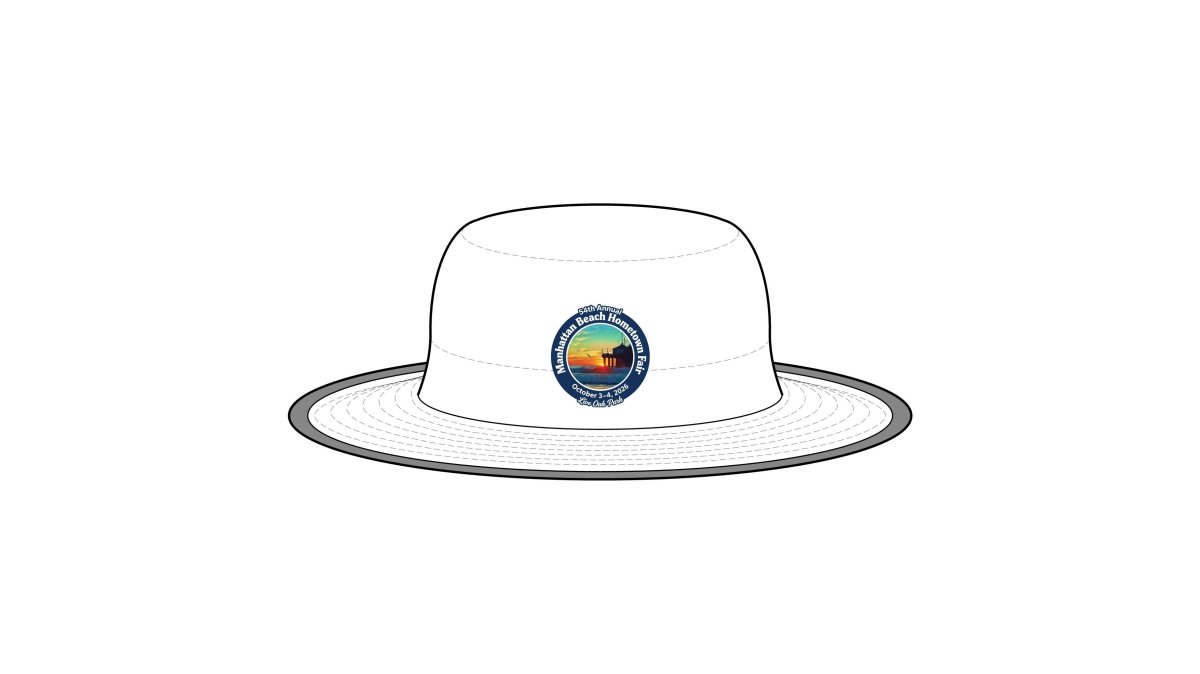
Look for a back flap or extended rear brim. The South Bay Gear Manhattan Beach Hometown Fair Wide Brim Sun Hat has a 2.5-inch brim for solid all-around coverage.

Shoulders sit below a hat's reach, so pair your wide brim hat with a sun-protective shirt or rash guard for complete upper-body coverage.
Understanding UPF Sun Hats and Fabric Protection
UPF ratings measure how much ultraviolet radiation a fabric blocks. A UPF 50 hat blocks about 98% of UV rays; UPF 35 blocks about 97%. The gap sounds small but compounds over hours, and what matters is how the fabric performs once stretched, worn, and soaked. Maintaining this level of coverage requires considering the eyes as well, as choosing protective sunglasses completes the defense against the peripheral glare that often bypasses even the widest brims.
What UPF Ratings Mean
UPF works like SPF but for fabric:
- UPF 15-24: Good
- UPF 25-39: Very good
- UPF 40-50+: Excellent
Most serious wide brim hats carry UPF 50 or 50+. The Hermosa Beach Lifeguard Station Long Board Surfer Columbia Booney Hat offers Omni-Shade UPF 50, blocking nearly all harmful rays.

One caveat: a UPF rating is measured on new, unstretched fabric in a lab. Real-world protection can be lower once the hat is on your head and in the sun.
Manhattan Beach Hometown Fair 2026 Wide Brim Sun Hat — Vintage Sunset Beach Logo →
Weave Density and UV Penetration
Tight weaves block more UV than loose ones because fewer gaps let rays through. Cotton twill, nylon poplin, and UV-blocking synthetics all work well.
Field test: hold the fabric to bright light. If light passes through, UV does too. Tightly woven fabrics feel thicker and stay cooler because they block heat radiation along with UV.
The El Porto Manhattan Beach Mom and Dad Organic Bucket Hat uses 100% organic cotton twill with tight weaving.
How to Assess a Hat's Real-World Protection
A label is a starting point, not a guarantee. Judge real protection by:
- Coverage: A high UPF on a tiny brim still leaves ears and neck exposed.
- Fabric construction: Dense weave, dark or tightly packed fibers, and UV treatments raise protection; sheer or loosely knit fabrics lower it.
- Fit: A too-tight hat stretches the crown, widening gaps between threads and letting more UV through.
- Condition: Fading, thinning, and small holes reduce protection even on a hat that started at UPF 50.
How Wear, Stretch, and Wetness Change Protection
- Stretching: A stretched weave blocks less UV than the same fabric at rest.
- Wear and fading: Sun, sweat, and washing break down fibers and dyes, so a faded or thinned hat may block less UV than its rating suggests.
- Wetness: Many fabrics lose protection when wet, so a soaked hat is no substitute for sunscreen on exposed skin.
- Age: A frequently worn hat that has faded, stretched, or thinned is worth replacing every couple of seasons in strong sun.
Practical takeaways for buying and keeping a hat
- Choose a meaningful UPF rating plus a brim that shades the areas you need.
- Prefer a fit that stays put without stretching the crown.
- Keep it clean, dry, and stored so it holds its shape.
- Replace it when the fabric fades, thins, or stretches, protection is a wear item.
- A hat shades; it doesn't seal. Pair it with sunscreen on ears, neck, and the part in your hair.
Sun Hats for Swimming: Protection in Water
Water amplifies sun exposure: UV penetrates several feet deep, so swimmers get hit from above and below.
Wear your wide brim hat before entering the water and right after getting out; once you're in, a rash guard or UV-protective swimwear takes over.
Many swimmers wear a swim cap under their hat before and after swimming to cover the scalp, which burns like any other skin.
Apply waterproof sunscreen to exposed skin before putting on your hat and reapply after swimming, especially on ears and the back of your neck.
Building a Complete Sun Safety Routine Beyond the Hat
Wide brim hats sun protection is one tool in a complete sun-safety system, not your only defense.
Pair your hat with sun-protective clothing: long sleeves and pants block UV completely, and lightweight breathable fabrics keep you cool.
Wear UV-blocking sunglasses that block 99-100% of UVA and UVB rays to protect your eyes and the sensitive skin around them.
Seek shade whenever possible. Trees, umbrellas, and structures reduce direct sun exposure. Shade combined with a wide brim hat provides excellent protection.
Fit, Comfort, and Real-World Performance
Look for an adjustable fit: drawcords, adjustable bands, or sizing options.
Ventilation keeps your head cool: mesh panels, breathable fabrics, and moisture-wicking sweatbands prevent overheating.
Match the hat's construction to your activity: casual gardening allows a lighter hat than hiking or water sports.
Test brim stiffness: too flexible droops and loses coverage, too stiff feels uncomfortable.
A wide brim hat for sun safety is one of the most effective tools for protecting your skin outdoors.
South Bay Gear offers several wide brim options designed for comfort and protection. Shop all our sun-protective hats and experience the difference that genuine protection makes. The American Academy of Dermatology provides comprehensive sun safety guidelines for all outdoor activities. The Skin Cancer Foundation offers evidence-based recommendations for UV protection. CDC sun safety resources outline the importance of protective clothing and hats in reducing melanoma risk.
Frequently Asked Questions
What are the main benefits of wearing a wide brim hat for sun safety?
Wide brim hats provide shade across your face, ears, and neck, reducing direct UV exposure. A broad brim blocks both direct sunlight and reflected UV rays bouncing off sand, water, and pavement. Combined with UPF fabric, wide brim hats offer sun protection. They're particularly valuable during peak UV hours (10 a.m. to 4 p.m.) and for outdoor activities like gardening, walking, or beach time.
How wide should a hat brim be for adequate sun protection?
A minimum 2.5-inch brim width provides basic face protection, but 3 inches or wider offers coverage of the ears and lower face. The Manhattan Beach Hometown Fair Wide Brim Sun Hat features a 2.5-inch brim with UPF 35 fabric, making it effective for daily beach activities. Wider brims may require an adjustable bungee or strap to stay secure in wind.
Is a wide brim hat better than a baseball cap for sun protection?
Yes. Wide brim hats protect your face, ears, and neck from all angles, while baseball caps leave the ears, sides of the face, and neck exposed. Caps are better than no hat, but a wide brim hat with UPF 50+ fabric and a 3-inch brim provides sun protection, especially for extended outdoor activities.
Can you wear a wide brim hat while swimming?
Yes, but you need a secure fit. Look for hats with adjustable drawcords, bungee straps, or toggles that keep the hat in place when wet. Water-resistant fabrics and lightweight construction help hats stay comfortable in the water. The Columbia Booney Hat features a 3-inch brim, Omni-Shade UPF 50 protection, and an adjustable drawcord specifically designed for active outdoor use including water activities. Even in the water, the hat continues to block direct UV rays on your scalp, ears, and face.
0 comments