Table of Contents
- What Makes Heritage Beachwear Different From Fast Fashion
- The Cost-Per-Wear Math That Changes Everything
- How to Choose Quality Swimsuits: Fabric, Seams, and Fit
- Best Durable Swimwear Brands and What They Get Right
- Ron Jon Surf Shop Alternative Brands for Coastal Style
- Environmental Impact: Heritage vs. Disposable Swimwear
- How to Care for Heritage Beachwear So It Lasts
- Conclusion: Is Heritage Beachwear Worth the Investment?
- Frequently Asked Questions
Last Updated: October 4, 2026
What Makes Heritage Beachwear Different From Fast Fashion
Heritage beachwear is swimwear and coastal apparel made by established brands that prioritize premium textiles, durable construction, and timeless design over seasonal trends.
At South Bay Gear, our roots go back to 1960 in Manhattan Beach. We offer a curated selection of California beach wear, including hats, caps, visors, and swimwear designed for a simple, coastal lifestyle.

Fast fashion swimwear is built for a single season. Heritage beachwear is built for years of use.
That gap matters when you are deciding whether the higher upfront price is worth it.
The Cost-Per-Wear Math That Changes Everything
The cost-per-wear calculation is simple: divide the purchase price by the number of times you actually wear the item.
That math flips the conventional wisdom about cheap swimwear being the better deal.
Most people do not run this calculation. They see a lower price tag and assume they are saving money.
| Factor | Fast Fashion | Heritage Beachwear |
|---|---|---|
| Typical lifespan | 1 season | 3-5 seasons |
| Cost per wear | Higher over time | Lower over time |
| Shape retention | Poor after washing | Holds with proper care |
| Repurchase frequency | Every year | Every few years |
The real question is not what you pay today.
How to Choose Quality Swimsuits: Fabric, Seams, and Fit
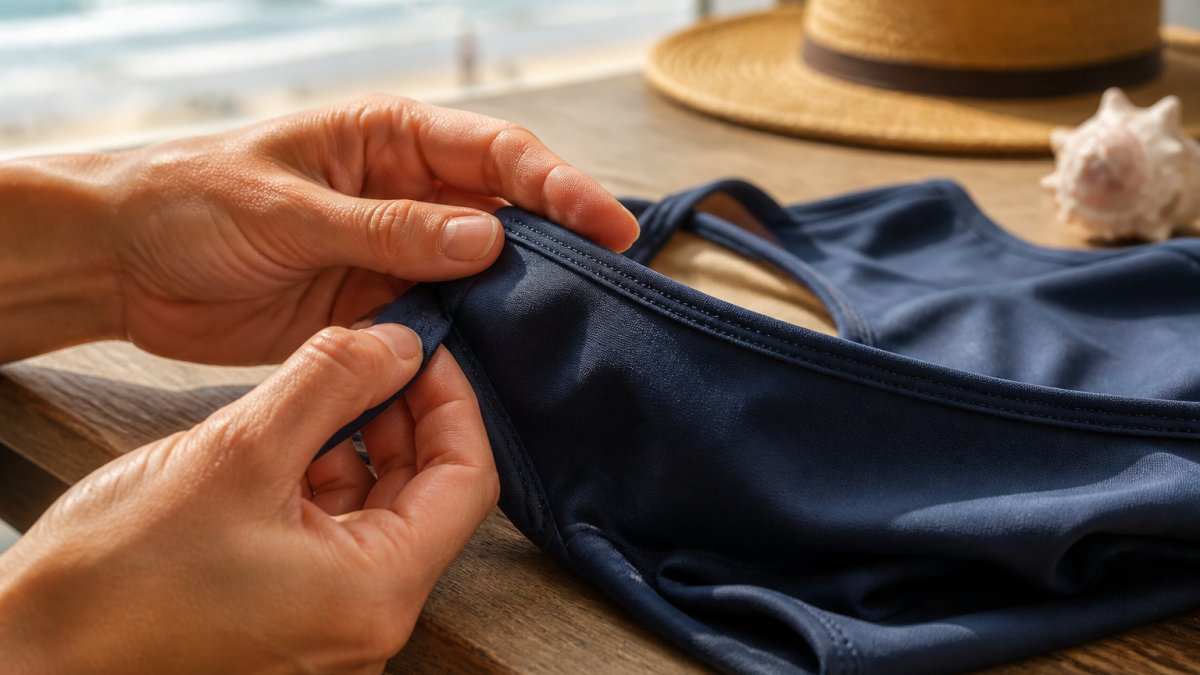
Quality in swimwear comes down to three things: fabric technology, seam construction, and fit. Get these right and the suit will last. Get them wrong and you will be replacing it by August. Most guides stop at "look for good fabric." That is useless advice.
Fabric technology: read the fiber blend, not the marketing
Swimwear is almost always a blend, and the ratio tells you more than the brand name. The four fibers you will see most often behave very differently:
- Nylon (polyamide), strong, soft, and quick-drying. It resists abrasion better than polyester but degrades faster in chlorine unless it is treated.
- Polyester, the most chlorine-resistant common swim fiber. It holds color and shape longer in pools but feels less soft against skin and dries slightly slower.
- Spandex (elastane/Lycra), provides the stretch and recovery. This is the fiber that fails first. Chlorine, heat, and sunscreen oils break down spandex, which is why a suit "bagging out" is usually a spandex problem, not a fabric problem.
- PBT (polybutylene terephthalate), a premium stretch fiber often blended with polyester. It resists chlorine and UV better than standard spandex and is a common marker of a suit built for repeat pool use.
A common pattern in long-lasting suits is a blend in the range of roughly 70-80% nylon or polyester with 20-30% spandex or PBT. If a listing does not disclose the blend, that is a signal in itself.
Two performance claims are worth verifying because they map to real mechanisms:
- Chlorine resistance, usually achieved through the fiber choice (polyester or PBT) or a treatment applied to the yarn. It matters most if you swim in pools more than oceans.
- UV protection, denser knits and darker or solution-dyed colors block more UV. UPF ratings on swimwear are typically tested to a standard, so a stated UPF 50+ is more meaningful than a vague "UV protection" bullet.
Seam construction: where cheap suits fail first
Seams take the stress of every pull, sit, and swim stroke. Three construction types matter:
- Flatlock stitching, interlocked threads create a flat, low-bulk seam that stretches with the fabric. This is the standard for performance swimwear because the seam moves instead of tearing.
- Overlock (serged) stitching, faster and cheaper. It works on stable fabrics but can pop under stretch.
- Bound or taped seams, a strip of fabric folds over the raw edge. Durable and comfortable, common on higher-end suits.
Run your fingers along the seams before buying. If they feel thin, uneven, or raised, walk away. Check the crotch and strap attachment points specifically, those are the highest-stress areas and the first to fail.
Fit and comfort: sizing is not the same as silhouette
A flattering silhouette depends on proper sizing, not on squeezing into something too small. Elasticity varies by fabric, so a suit in a high-spandex blend will feel tighter than the same size in a polyester-dominant blend. Try before you buy when possible, and if you are between sizes, size up in high-spandex suits and stay true to size in polyester-dominant ones.
Best Durable Swimwear Brands and What They Get Right
The best durable swimwear brands share a few common traits. They invest in textile quality, they publish care instructions, and they build for repeat wear rather than single-season sales. But "best brand" lists are mostly opinion. What actually helps you decide is a framework you can apply to any brand, including the one you are already considering.
The cost-per-wear test, applied to brands
Cost per wear is the purchase price divided by the number of wears you realistically get. The math only works if you are honest about the second number.
| Suit type | Typical price | Realistic wears | Cost per wear |
|---|---|---|---|
| Fast-fashion one-piece | $15-$30 | 5-15 | $1.00-$6.00 |
| Mid-range suit | $50-$90 | 40-80 | $0.60-$2.25 |
| Heritage-built suit | $90-$160 | 100-200+ | $0.45-$1.60 |
These are typical ranges, not guarantees. The point is the shape of the curve: the cheapest suit is rarely the cheapest to own.
Run this math on any brand before you buy.
Signals that a brand is actually built for durability
When evaluating any brand, look for these signals:
- Fabric specifications listed upfront. Brands that hide their materials usually have something to hide. Look for a disclosed fiber blend, not just "premium fabric."
- Reinforced seam construction. Flatlock or similar stitching that resists stretching, especially at strap and crotch attachment points.
- Clear care guidance. A brand that tells you how to maintain the garment expects it to last.
- Consistent sizing across seasons. Heritage brands keep their fits stable so you can reorder with confidence.
- Replacement parts or repair options. A brand that sells replacement straps, offers repairs, or stocks the same core style year after year is signaling that the product is meant to be kept.
Federal Trade Commission guidance on textile labeling requires brands to disclose fiber content and care instructions, so you can verify claims before purchasing.
Classic Greg Noll Surf Tee, Surfing Shirt, Beachwear, Summer Apparel, Unisex →
What most guides miss: reputation is not the same as product
Brand reputation matters less than the specific garment. A heritage label can still produce a weak product, and a newer brand can nail the fundamentals. The signals above are checkable in about two minutes on any product page. Read the specs, not the marketing.
Ron Jon Surf Shop Alternative Brands for Coastal Style
If you are looking for Ron Jon Surf Shop alternative brands, the smartest approach is to evaluate what you actually need from a coastal apparel brand.
We built South Bay Gear around a different idea: simple clothes for a simple life. Our selection focuses on California beach wear that fits a relaxed coastal lifestyle, not a trend cycle.
Here is how to evaluate any alternative:
- Local heritage. A brand with deep regional roots tends to understand the climate and culture it serves.
- Product focus. Some brands do everything. Others do a few things well. Decide which you want.
- Material honesty. Look for brands that name their fabrics and explain why they chose them.
- Return and shipping terms. Free shipping on select items and clear return policies reduce your risk.
For beach vacation essentials, a focused brand often beats a big-box retailer.
Environmental Impact: Heritage vs. Disposable Swimwear
The environmental case for heritage beachwear is straightforward: fewer purchases mean less waste. Fast fashion alternatives generate textile waste at every step, from production to disposal.
Sustainable materials and ethical production practices reduce that footprint. But the biggest environmental gain comes from simply buying less. A swimsuit worn for five seasons replaces five disposable suits.
This is where the "heritage vs. disposable" distinction matters most.
Environmental Protection Agency information on textile waste notes that textiles make up a significant share of municipal solid waste, and reducing consumption is one of the most effective ways to cut that number.
How to Care for Heritage Beachwear So It Lasts
Proper swimsuit maintenance extends the life of any garment, regardless of price. The rules are simple, and they take minutes.
- Rinse in cool water immediately after every wear to remove chlorine and salt
- Hand wash with mild soap instead of machine washing when possible
- Lay flat to dry away from direct sun to protect elasticity and color
- Avoid wringing or twisting, which damages fibers
- Store folded, not hung, to prevent stretching
- Rotate between two suits so each has time to recover
Garment care is the single biggest factor you control. A premium suit treated poorly will fail faster than a mid-range suit treated well.
Conclusion: Is Heritage Beachwear Worth the Investment?
For most people who visit the beach more than a handful of times a year, heritage beachwear is worth it.
The catch is that "heritage" is not a guarantee. You still need to check the fabric, the seams, and the care requirements.
At South Bay Gear, we have been part of this coastal community since 1960. Browse our Classic Greg Noll Surf Tee and our full collection of hats, caps, visors, and swimwear.
USA.gov consumer protection resources offers guidance on verifying product claims before you buy.
Frequently Asked Questions
Are high-end heritage swimwear brands more durable than fast fashion?
Yes, heritage swimwear typically outlasts fast fashion because it uses higher-quality fabrics with better chlorine resistance and shape retention. Fast fashion suits often lose elasticity after a few wears, while heritage pieces maintain fit and color for years. This durability reduces how often you replace them, making the upfront cost more reasonable over time. Look for tightly woven textiles, reinforced seams, and UV protection to ensure longevity.
What should you look for when buying quality swimwear?
Focus on fabric weight and composition, seam construction, and fit. Quality swimwear uses premium textiles like nylon-spandex blends that resist chlorine and hold shape. Check for flatlock or reinforced seams that prevent chafing and stretching. A flattering silhouette should feel secure without digging in. Also consider UV protection and quick-dry technology for comfort. These features signal a well-made suit that will last multiple seasons.
How do you care for heritage-style swimwear to ensure longevity?
Rinse your swimsuit in cold water immediately after each wear to remove salt, chlorine, and sunscreen. Hand wash with a gentle detergent and lay flat to dry away from direct sunlight. Avoid wringing or machine drying, which damages elasticity. Rotate between two suits to give fabric time to recover. Store in a cool, dry place. Proper garment care can double the life of your investment piece, preserving its fit and color.
Is it better to invest in classic beachwear or trendy pieces?
Classic beachwear usually offers better value because timeless designs stay stylish for years, while trends fade quickly. A heritage piece with a flattering silhouette and durable fabric can be worn season after season, lowering your cost-per-wear. Trendy pieces may be cheaper initially but often need replacing sooner. If you want a versatile wardrobe that handles beach vacations and daily wear, invest in classic styles from brands known for craftsmanship.
Choosing beachwear that lasts means looking past the price tag and asking what you get for it. South Bay Gear offers simple clothes for a simple life, with free shipping on select items and a legacy of local quality that dates back to 1960. Shop all and find coastal apparel built to stay with you for seasons, not weeks.
0 comments